



Introduction
The rapid growth of smart gadgets, artificial intelligence (AI), and the Internet of Things (IoT) has transformed the way people live, work, and interact with their environment. From voice-activated assistants and wearable health trackers to smart home devices, technology has become an integral part of daily life. Companies like Apple Inc., Samsung Electronics, and Google continually introduce innovative products that aim to improve convenience, productivity, and entertainment.
Staying updated with modern technology is crucial because new devices, software updates, and emerging trends can significantly affect usability, security, and long-term value. Without current knowledge, consumers risk investing in outdated or poorly performing products that fail to meet their needs.
Product reviews and evaluations serve as a vital tool in this context. By providing detailed analyses of features, performance, usability, and durability, reviews help users make informed purchasing decisions. They offer insights that go beyond marketing claims, ensuring that buyers understand how devices perform in real-world scenarios.
Thesis Statement: Modern tech product reviews help users select devices with the best performance, usability, and value.
Importance of Product Reviews
In today’s fast-paced technology market, product reviews are essential for making smart purchasing decisions. With countless devices available, reviews help consumers navigate options and avoid costly mistakes.
Avoid Wasting Money on Underperforming Devices

Not every new gadget delivers on its promises. Product reviews highlight weaknesses, limitations, and potential issues, helping buyers avoid spending money on devices that fail to meet expectations. This is especially important for high-cost items like smartphones, smart home systems, and AR/VR equipment.
Ensure Advertised Features Match Real-World Performance
Manufacturers often market devices based on impressive specifications, but real-world performance can differ. Reviews provide hands-on testing and independent benchmarks, confirming whether features like battery life, processing speed, or AI capabilities function as advertised.
Save Time by Comparing Top Devices Efficiently
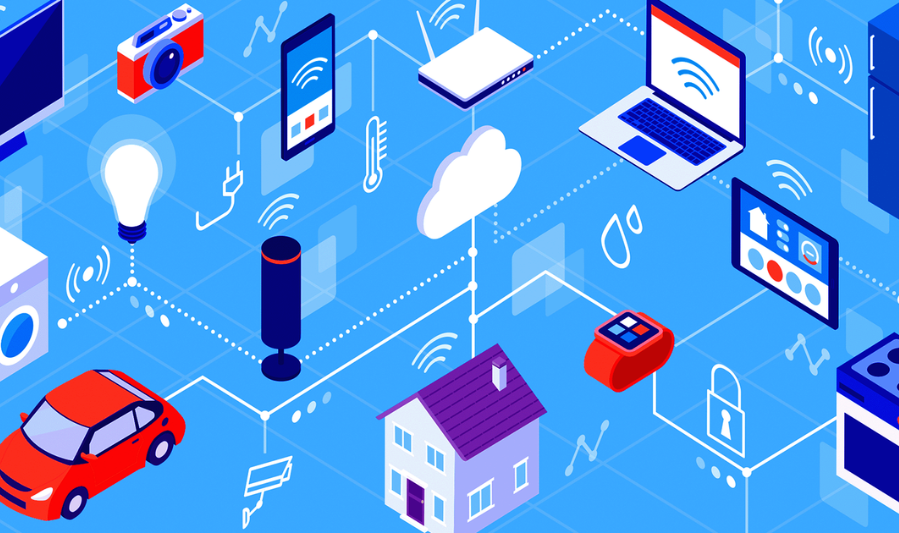
Instead of researching multiple products individually, reviews summarize strengths and weaknesses, making comparisons faster and easier. They allow users to focus on devices that truly fit their needs and priorities.
Understand Emerging Tech Trends and Innovations
Product reviews not only assess current performance but also place devices in the context of broader technological trends. They help consumers recognize meaningful innovations, such as AI integration, IoT connectivity, or wearable health monitoring, enabling informed decisions about adopting new technologies.
In short, product reviews empower consumers to make informed, cost-effective choices while staying up-to-date with evolving tech innovations.
Key Evaluation Criteria
When assessing technology products, using clear evaluation criteria ensures objective comparisons and informed decisions. The following aspects are essential to consider:
3.1 Performance & Speed
Performance determines how efficiently a device handles tasks, runs applications, and manages multitasking.
- Device Responsiveness: How quickly apps open, screens load, and commands execute.
- Multitasking Ability: Smooth operation when running multiple apps simultaneously.
- AI Efficiency: Effectiveness of AI-powered features like predictive text, voice commands, and automation.
High-performance devices from companies like Apple Inc. or Google are often evaluated for both speed and real-world usability.
3.2 Battery Life & Durability
Battery endurance and build quality are critical for long-term satisfaction.
- Longevity & Fast-Charging: Ability to last through daily use and recharge quickly.
- Water/Dust Resistance: Protection against environmental damage, rated by IP standards.
- Build Quality: Materials and design affecting durability and handling comfort.
Devices that balance robust construction with extended battery life provide better value and usability.
3.3 Security & Privacy
Connected devices must safeguard user data and ensure privacy.
- Encryption & Secure Cloud Storage: Protect sensitive information from unauthorized access.
- Privacy Policies: Transparency about data collection and user control.
- Firmware Updates: Regular updates that fix vulnerabilities and improve security features.
For example, IoT devices or smart assistants integrated with Amazon Alexa or Google Home require continuous monitoring and updates to remain secure.
3.4 Compatibility & Ecosystem Integration
Seamless integration enhances convenience and efficiency.
- Smart Home Platforms: Compatibility with Amazon Alexa, Google Assistant, Apple HomeKit, or other IoT ecosystems.
- Cross-Device Synchronization: Smooth operation with smartphones, tablets, and wearables.
Devices that work well within existing ecosystems reduce setup complexity and improve long-term usability.
3.5 Price vs. Value
Cost alone does not define a product’s worth.
- Feature Comparison: Are advanced functions worth the price premium?
- Reliability & Long-Term Benefits: Consider durability, software updates, and ecosystem integration.
- Overall Value: Balance upfront cost against practical performance and longevity.
A mid-range product may sometimes offer better value than a high-priced alternative with marginal improvements.
3.6 Brand Reputation & Support
Trustworthy manufacturers provide consistent quality and ongoing assistance.
- Customer Service: Accessibility and responsiveness to inquiries or issues.
- Consistent Updates: Frequent software or firmware updates that enhance performance and security.
- Manufacturer Reliability: Track record for producing durable and well-supported devices.
Brands with strong reputations, such as Samsung Electronics, often offer longer-term support and higher user confidence.
Key Evaluation Criteria
When assessing technology products, using clear evaluation criteria ensures objective comparisons and informed decisions. The following aspects are essential to consider:
3.1 Performance & Speed
Performance determines how efficiently a device handles tasks, runs applications, and manages multitasking.
- Device Responsiveness: How quickly apps open, screens load, and commands execute.
- Multitasking Ability: Smooth operation when running multiple apps simultaneously.
- AI Efficiency: Effectiveness of AI-powered features like predictive text, voice commands, and automation.
High-performance devices from companies like Apple Inc. or Google are often evaluated for both speed and real-world usability.
3.2 Battery Life & Durability
Battery endurance and build quality are critical for long-term satisfaction.
- Longevity & Fast-Charging: Ability to last through daily use and recharge quickly.
- Water/Dust Resistance: Protection against environmental damage, rated by IP standards.
- Build Quality: Materials and design affecting durability and handling comfort.
Devices that balance robust construction with extended battery life provide better value and usability.
3.3 Security & Privacy
Connected devices must safeguard user data and ensure privacy.
- Encryption & Secure Cloud Storage: Protect sensitive information from unauthorized access.
- Privacy Policies: Transparency about data collection and user control.
- Firmware Updates: Regular updates that fix vulnerabilities and improve security features.
For example, IoT devices or smart assistants integrated with Amazon Alexa or Google Home require continuous monitoring and updates to remain secure.
3.4 Compatibility & Ecosystem Integration
Seamless integration enhances convenience and efficiency.
- Smart Home Platforms: Compatibility with Amazon Alexa, Google Assistant, Apple HomeKit, or other IoT ecosystems.
- Cross-Device Synchronization: Smooth operation with smartphones, tablets, and wearables.
Devices that work well within existing ecosystems reduce setup complexity and improve long-term usability.
3.5 Price vs. Value
Cost alone does not define a product’s worth.
- Feature Comparison: Are advanced functions worth the price premium?
- Reliability & Long-Term Benefits: Consider durability, software updates, and ecosystem integration.
- Overall Value: Balance upfront cost against practical performance and longevity.
A mid-range product may sometimes offer better value than a high-priced alternative with marginal improvements.
3.6 Brand Reputation & Support
Trustworthy manufacturers provide consistent quality and ongoing assistance.
- Customer Service: Accessibility and responsiveness to inquiries or issues.
- Consistent Updates: Frequent software or firmware updates that enhance performance and security.
- Manufacturer Reliability: Track record for producing durable and well-supported devices.
Brands with strong reputations, such as Samsung Electronics, often offer longer-term support and higher user confidence.
Categories of Modern Tech Products
Technology today spans a wide range of devices, each designed to enhance convenience, productivity, entertainment, or connectivity. Evaluating products by category helps users focus on the features most relevant to their needs.
4.1 Smart Home Devices
Smart home devices automate daily tasks, improve energy efficiency, and enhance security.
- Key Features: Smart speakers, intelligent lighting, appliances, and security cameras.
- Functionality: Automation routines, energy management, and remote control via mobile apps.
- Example Products: Amazon Echo, Google Nest Hub, Philips Hue.
4.2 Wearables & AR/VR Gadgets
Wearables and immersive devices monitor health, provide notifications, and create interactive experiences.
- Key Features: Smartwatches, fitness trackers, AR glasses, VR headsets.
- Functionality: Health monitoring, productivity support, immersive experiences.
- Example Products: Apple Watch Series 9, Meta Quest 3, Fitbit Charge 6.
4.3 AI-Powered Devices
AI-enabled gadgets enhance personalization, productivity, and real-time interaction.
- Key Features: AI earbuds, smart assistants, adaptive audio devices.
- Functionality: AI note-taking, translation, workflow automation, predictive assistance.
- Example Products: Sony WF-1000XM5, reMarkable 2.
4.4 Entertainment & Gaming Gadgets
Devices in this category prioritize visual quality, immersive audio, and smooth performance.
- Key Features: Smart TVs, streaming devices, gaming consoles, wireless audio.
- Functionality: AI content recommendations, 4K/8K display, HDR, low-latency audio.
- Example Products: Apple TV 4K, PlayStation 5, Roku Ultra.
4.5 Robotics & Automation
Robots automate home chores and business tasks, improving efficiency and productivity.
- Key Features: Home robots for vacuuming, mopping, and AI assistance; industrial robots for monitoring and small business automation.
- Functionality: Task automation, operational efficiency, scalable solutions.
- Example Products: iRobot Roomba Combo j7+, Boston Dynamics Stretch.
4.6 IoT & Emerging Innovations
IoT devices and emerging tech provide advanced connectivity, predictive intelligence, and futuristic applications.
- Key Features: Smart sensors for energy, motion, health, and security monitoring.
- Functionality: Connected ecosystems, AI-driven predictive features, integration with smart city initiatives.
- Emerging Trends: AR/VR, robotics, AI-enabled appliances, quantum computing.
How to Conduct Your Own Tech Product Review
Conducting a personal tech product review helps you make informed purchasing decisions that align with your needs and priorities. By following a structured approach, you can evaluate devices objectively and efficiently.
1. Identify Your Personal or Business Needs
Start by defining the purpose of the device:
- Are you seeking productivity improvements, entertainment, health tracking, or smart home automation?
- Which features are essential versus optional?
- Do you need compatibility with existing devices or ecosystems?
Clearly identifying your priorities will guide your research and help narrow down choices.
2. Research Top Devices in the Category
Once your needs are defined, investigate the leading products:
- Review manufacturer specifications and product sheets.
- Watch video demos or walkthroughs to see features in action.
- Use comparison tools or websites to shortlist devices that match your criteria.
This step helps you focus on options that are most relevant and avoid unnecessary distractions.
3. Compare Performance, Battery Life, and Ecosystem Support
Evaluate how each device performs under practical conditions:
- Performance: Responsiveness, multitasking, and AI-powered features.
- Battery Life & Durability: Longevity, charging speed, and build quality.
- Ecosystem Integration: Compatibility with smart home platforms, wearables, and other devices.
Side-by-side comparisons reveal which devices provide the best balance of speed, reliability, and seamless connectivity.
4. Evaluate Price vs. Long-Term Value
Don’t focus solely on the initial cost:
- Consider feature set, durability, and software support.
- Assess whether premium-priced devices justify their cost.
- Factor in long-term usability, potential upgrades, and ecosystem benefits.
A mid-range device with strong longevity and compatibility may offer better value than an expensive but marginally improved alternative.
5. Read Expert Reviews and User Feedback
Gather insights from multiple sources:
- Expert Reviews: Provide controlled testing, benchmark comparisons, and professional analysis.
- User Feedback: Offers real-world experience, highlighting recurring issues or satisfaction levels.
Combining these perspectives ensures a well-rounded understanding of the product.
You may also like to read these posts:
Complete Step-by-Step Tool Guide for Beginners
Best AI Productivity Tools for Beginners and Professionals
Clean & Pure Face Moisturizer for Smooth, Healthy Glow
Skincare Tips for Dry Skin: How to Keep Your Skin Hydrated and Glowing
Global AI & Emerging Technologies Summit 2026
6. Test Devices When Possible for Usability and Comfort
Whenever possible, try out devices in-store or through trial periods:
- Assess ease of setup and user interface.
- Check ergonomics, display quality, and physical comfort for wearables or handheld devices.
- Observe performance under typical daily tasks to verify manufacturer claims.
Hands-on testing often reveals practical insights that specifications and reviews alone cannot provide.
Faqs:
What are modern tech product reviews?
Modern tech product reviews evaluate the latest gadgets, AI devices, and IoT products based on real-world performance, usability, features, and value, helping consumers make informed choices.
Are expensive gadgets always better than budget options?
Not necessarily. Premium products often offer advanced features and better build quality, but budget devices can provide excellent value depending on your needs and usage.
How do I ensure a device is secure and protects my data?
Check for encryption, secure cloud storage, transparent privacy policies, and regular software updates. Devices from reputable brands usually offer stronger security and ongoing support.
Should I prioritize brand reputation or features when buying tech?
Both matter. A trusted brand ensures reliability, support, and updates, while features determine whether the device meets your personal or professional requirements.
How can product reviews save me time and money?
Reviews highlight real-world performance, potential issues, and value comparisons between devices, helping you avoid poor purchases and make smarter, cost-effective decisions.
Conclusion
Modern tech product reviews are essential tools for navigating the fast-paced world of smart gadgets, AI devices, and IoT innovations. With new products launching constantly, making informed decisions based on performance, battery life, security, ecosystem compatibility, and overall value is more important than ever.
By carefully evaluating devices and relying on trusted reviews, consumers can avoid costly mistakes, select products that truly meet their needs, and invest in technology that enhances productivity, entertainment, and daily life. In 2026 and beyond, staying informed and using tech evaluations wisely ensures you get the best combination of innovation, usability, and long-term value.
